The Iran choice, as it stands on October 28, is not really a choice between war and peace. It is a choice between a deal that does not yet exist and a campaign that has been prepared but not ordered. The Wall Street Journal reported on Wednesday that the United States has privately told several Gulf countries to prepare for a brief but intense military campaign against Iran after the midterm elections, citing people briefed on the conversations, while also reporting that President Donald Trump has not made a final decision and is leaning toward a major attack. Both halves of that report matter, and neither should be read without the other.
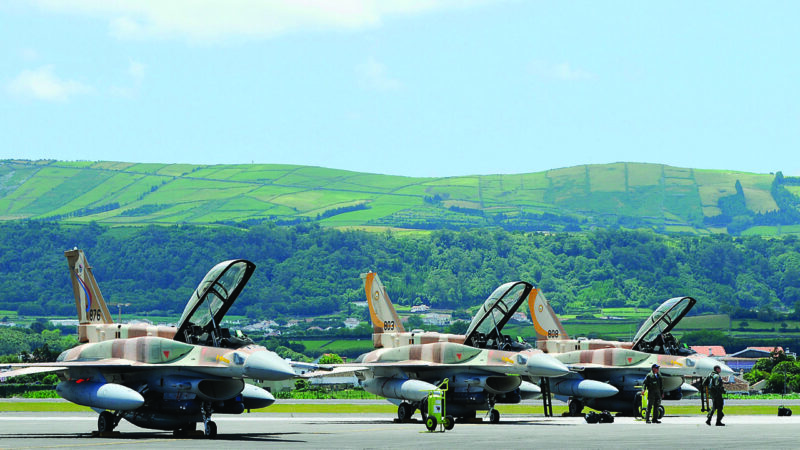
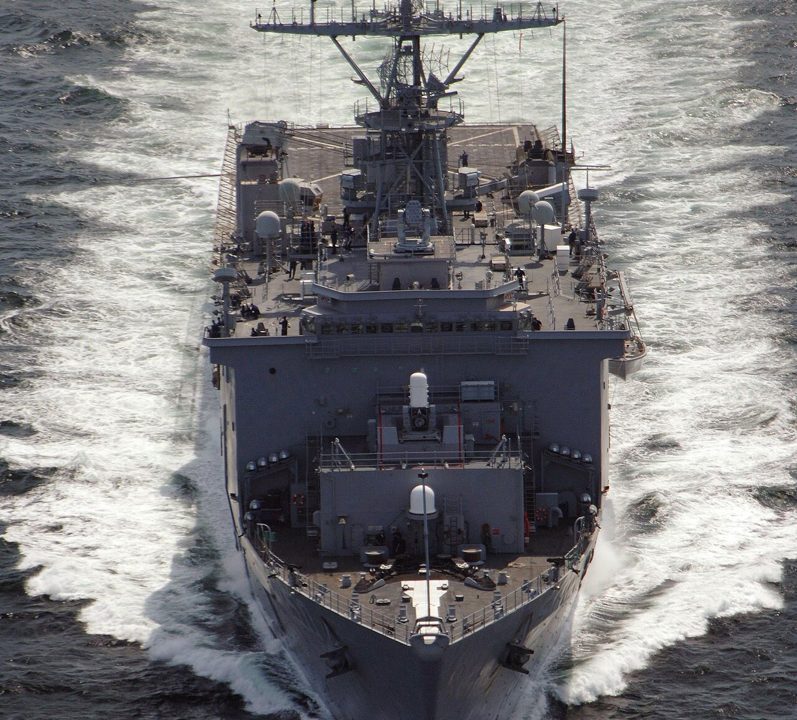
The preparations described are substantial. American forces in the Middle East are replenishing ammunition stocks, with bombers and fighter jets being readied, and Israel has drawn up plans and identified targets for a possible new attack. Earlier reporting said American forces could begin major operations within 96 hours of presidential authorization, targeting Iranian military facilities, nuclear sites and energy infrastructure. Officials are also assessing the possibility of retaliation against American personnel and installations across the region, which is why the State Department ordered non-emergency staff to leave Saudi Arabia effective October 23 and embassies across the region ordered departures last week.
The deal that has not arrived
On the other side of the choice, diplomacy has produced movement without agreement. Trump has said he will not strike Iran before the midterms on November 3, and he has relied for now on economic sanctions and a maritime blockade rather than military operations, in part to limit public discontent over rising oil prices. At a Republican campaign rally in Fort Myers, Florida, last week, he said the United States might launch another version of its earlier operation, which he called Epic Fury, or Iran could agree to a deal. Talks mediated by other countries have progressed slowly, according to the Journal’s account, and a June memorandum of understanding to pave the way for a final peace deal collapsed amid disagreements, including over navigation in the Strait of Hormuz.
The history behind the choice is short and violent. The United States and Israel launched a war against Iran on February 28, Tehran responded with missile and drone attacks across the region and effectively closed the Strait of Hormuz, a key route for global energy supplies, and Trump has claimed that earlier operations destroyed Iran’s nuclear enrichment capacity and severely weakened its military and economy. Those claims are disputed, and they sit alongside the reality that Iran has not given up its nuclear ambitions, according to public accounts of the stalled talks.
November 3 is the real deadline
That is why November 3 matters more than any single report. Reports of the Gulf warnings describe a window after the election, not a decision already taken, and Globe Media Times’ earlier reporting is a reminder that preparation and outcome are different things in any high stakes contest. After November 3, the political constraint Trump imposed on himself lifts, and the choice between a deal and a campaign becomes immediate. Gulf capitals have been warned to prepare for the second outcome. Whether they also hear a credible offer of the first will decide whether the warning becomes a war.