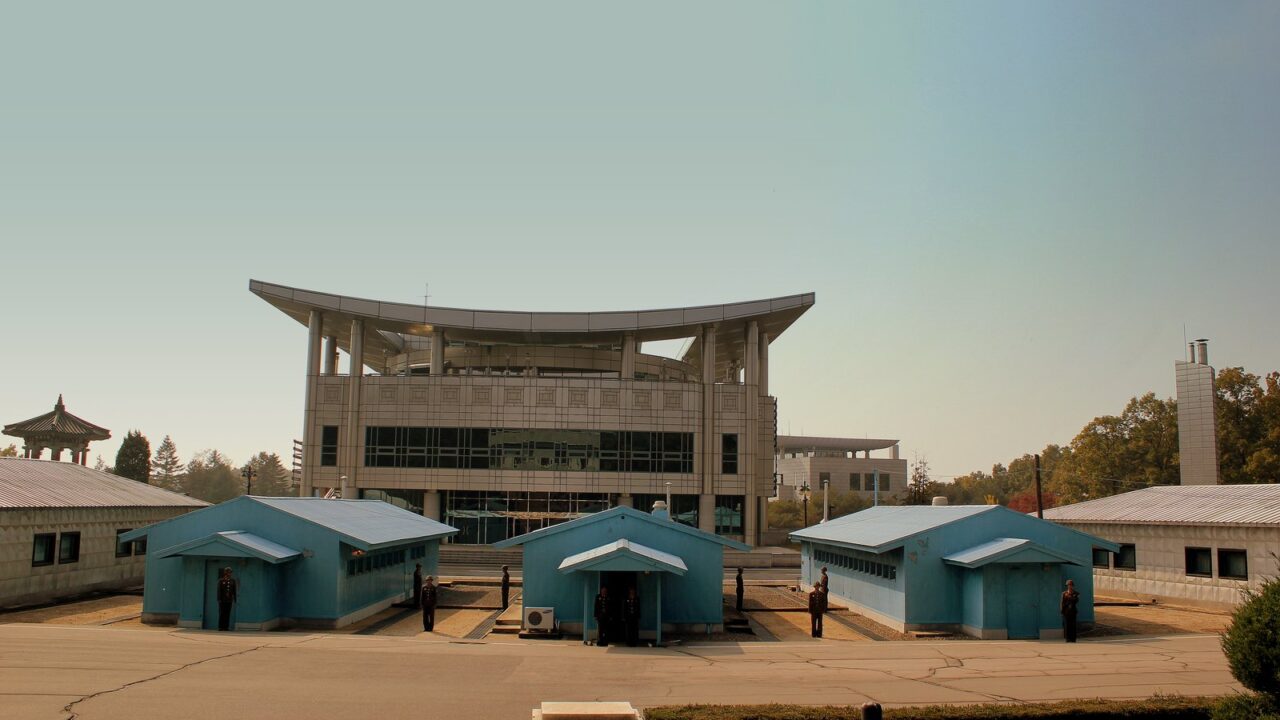
South Korea has proposed new military talks with North Korea aimed at easing tensions along their land border, a rare diplomatic opening after months of escalation. The proposal follows a mine explosion on September 21 and comes amid estimates that the North has laid around 960,000 mines along the border since 2024, turning the Demilitarised Zone into one of the most heavily mined places on Earth.
The talks would address the implementation of past military agreements and practical measures to prevent accidental clashes. For Seoul, even a modest reduction in border tensions would be a win; for Pyongyang, the proposal is a test of whether engagement still has anything to offer.
Why now
The timing reflects a cold calculation on both sides. The mine blast in September was a reminder of how easily miscalculation can turn deadly along the border. With the North continuing to fortify its side of the DMZ and the South conducting regular drills with the United States, the risk of an incident neither side wants is real. Talks, even talks that go nowhere, are a pressure valve.
There is also a domestic dimension in Seoul. The current government has leaned toward engagement, and a public proposal for dialogue plays well with voters tired of perpetual crisis. Whether Pyongyang responds in kind or with its customary silence will say much about the state of inter-Korean relations.
Low expectations, real stakes
No one expects a breakthrough. North Korea has a long history of pocketing concessions and returning to provocation. But the alternative to talking is not stability; it is a border where nearly a million new mines sit waiting for a misstep. The region’s wider security dynamics are covered in our earlier reporting, and analysis of the military balance frames the stakes. Reuters’ report has the details of Seoul’s proposal.
The proposal also interacts with the wider regional diplomacy. With US South Korea joint drills continuing and Pyongyang’s rhetoric fluctuating, even a modest military hotline agreement would reduce the risk of accidental escalation. Past inter Korean military agreements have collapsed under political strain, but each round of talks leaves behind channels that can be reactivated when conditions improve.