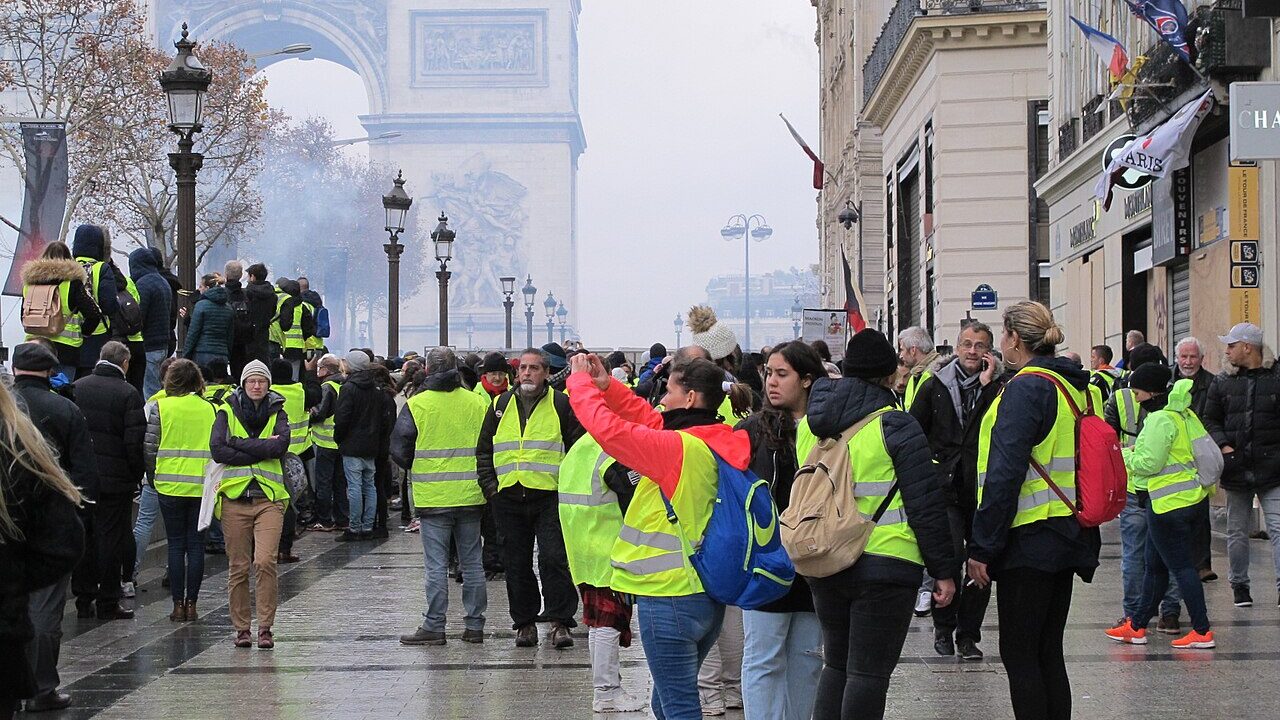
French student leaders have called for the next round of school blockades on Tuesday and Thursday, setting up a fresh test of a protest movement that has already brought hundreds of thousands of people onto the streets for three consecutive weekends. The call, made on Saturday, asks citizens to resume blockades of schools and universities, ahead of further demonstrations in Paris and other cities.
The blockade tactic, known in France as a blocus, shuts a school by blocking its entrances, and it has become the student movement’s signature action. Unions of high school and university students called for blockades starting Tuesday, November 3, according to reports citing Le Monde, with the aim of forcing the government to go further than its first package of school concessions. The timing matters: Tuesday is also the day American voters go to the polls, but in France, it is the day the school protest returns to the classroom door.
On Saturday, hundreds of thousands of mostly young protesters marched across France in a third consecutive weekend of demonstrations over living costs and education. Authorities put nationwide turnout at 320,000, according to Le Monde citing the Interior Ministry, while a coalition of youth organisations and unions claimed nearly half a million, including 200,000 in Paris. Scuffles broke out in Paris and other cities at the end of nationwide demonstrations, as authorities deployed in force to prevent a repeat of the unrest that erupted two weeks ago.
What the government has offered, and what students want
Ministers presented their first proposal on Monday, after more than four weeks of demonstrations. The measures include replacing Parcoursup, the higher education platform criticised as opaque and elitist, by 2028, cancelling 836 planned teacher cuts and introducing 500 new teaching positions, devoting almost 4.5 billion dollars to improve school buildings by 2030, and capping class sizes at 28 students. Student unions applauded these initial steps, but said they will continue leading protests until a comprehensive funding plan with additional amendments is put forward.
That gap, between a first offer and a comprehensive plan, is where the blockade call sits. Blockades are a way for students to keep pressure on ministers while talks continue, and to show that the movement can still mobilise schools even after a government offer. They also carry a cost: disrupted classes, frustrated parents, and a risk that public sympathy shifts if blockades are seen as punishing students rather than pressuring the government.
The Senate bill in the background
Running alongside the school dispute is the Senate’s bill to make people in violent crowds pay for damage, including through deductions from benefits, passed 229 to 105 this week. Students argue that bill conflates peaceful protest with violent disorder, while the government argues that it targets only those who knowingly join or remain in violent groups. The blockade call therefore arrives in a charged atmosphere, where every protest action is read through the lens of the new legislation as well as through the school funding debate.
Whether Tuesday and Thursday bring widespread blockades or scattered actions will show whether the student movement still commands the schools, or whether the government’s first offer has begun to divide it. Either way, the coming week will be a measure of a movement that has already changed the French political calendar, and that is not yet ready to go home.