The Iran decision will not wait past November 3, and the calendar is now doing as much work as the diplomacy. Five days remain until the American midterms, three days remain in the Oleshky ceasefire window, and the Montreal summit opens on Thursday. Each date constrains the others. A decision on Iran taken before November 3 would land in the middle of an election campaign. A decision taken after it would face a Congress whose composition is newly settled. That timing, as much as any military calculation, explains why the choice has been described as near for more than a week.
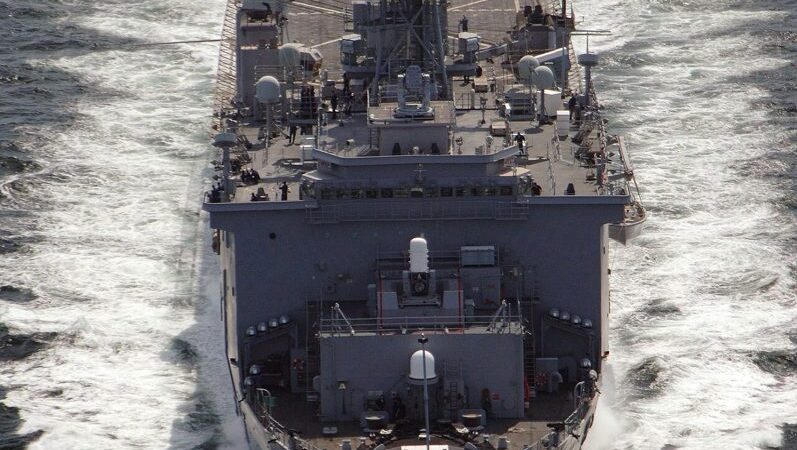
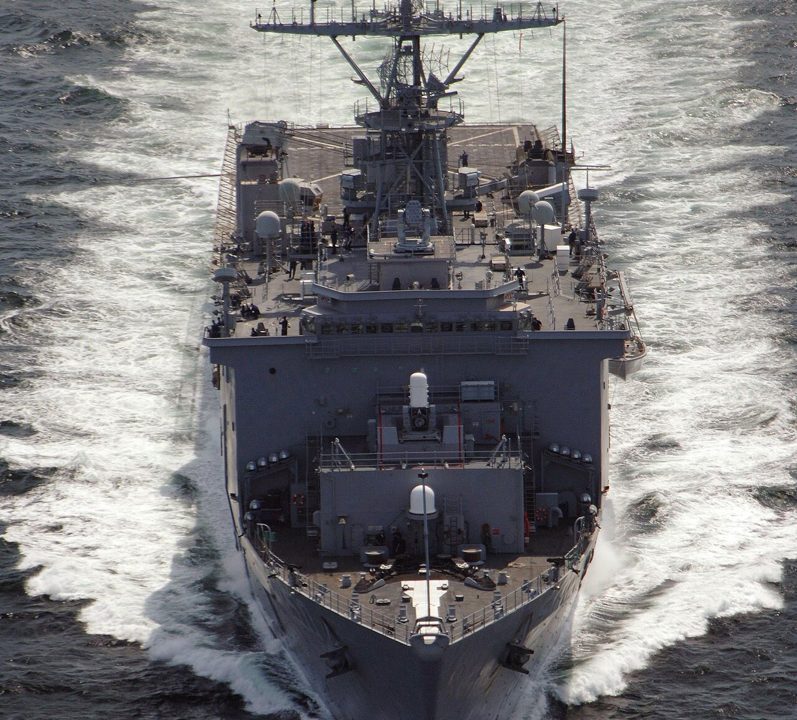
Gulf capitals have been told to prepare for a short, intense campaign after the midterms, according to reporting cited in earlier coverage, and precautions have already been visible: embassies emptied, warnings issued, and a Gulf buildup described as including a third carrier. Those precautions are not proof of a decision. They are the cost of preparing for one, and they carry their own risk: a region put on alert for weeks can misread a routine movement as a signal, or grow weary of warnings that do not materialise.
Deal, campaign, or neither
The options remain the ones that have framed the debate for weeks: a deal, a campaign, or a continuation of the current pressure without a decisive move. A deal would require terms that both sides could present as a win, on enrichment, missiles and regional behaviour, and a verification regime that survives political change in Washington. A campaign would require a defined objective, a legal basis and an exit, none of which has been publicly set out. Neither option is made easier by the calendar, because both need time that the next five days do not provide.
The most likely near term outcome is therefore neither a deal nor a campaign this week, but a holding pattern in which preparation continues and rhetoric stays high. That is not a satisfying answer, but it is the honest one. The decision that matters may be taken after November 3, when the political constraints are clearer, and the precautions taken now will determine whether that decision, when it comes, is made calmly or under pressure.
What to watch before November 3
Three signals will matter more than statements. First, whether Gulf precautions are maintained, eased or increased, because that shows what planners actually expect. Second, whether diplomatic channels produce any public movement, however small, on the terms of a deal. Third, whether the Oleshky window, which ends November 1, is extended or allowed to lapse, because that will show whether time limited pauses are still a usable tool. Until those signals move, the Iran choice remains a decision described as near, but not yet taken.