
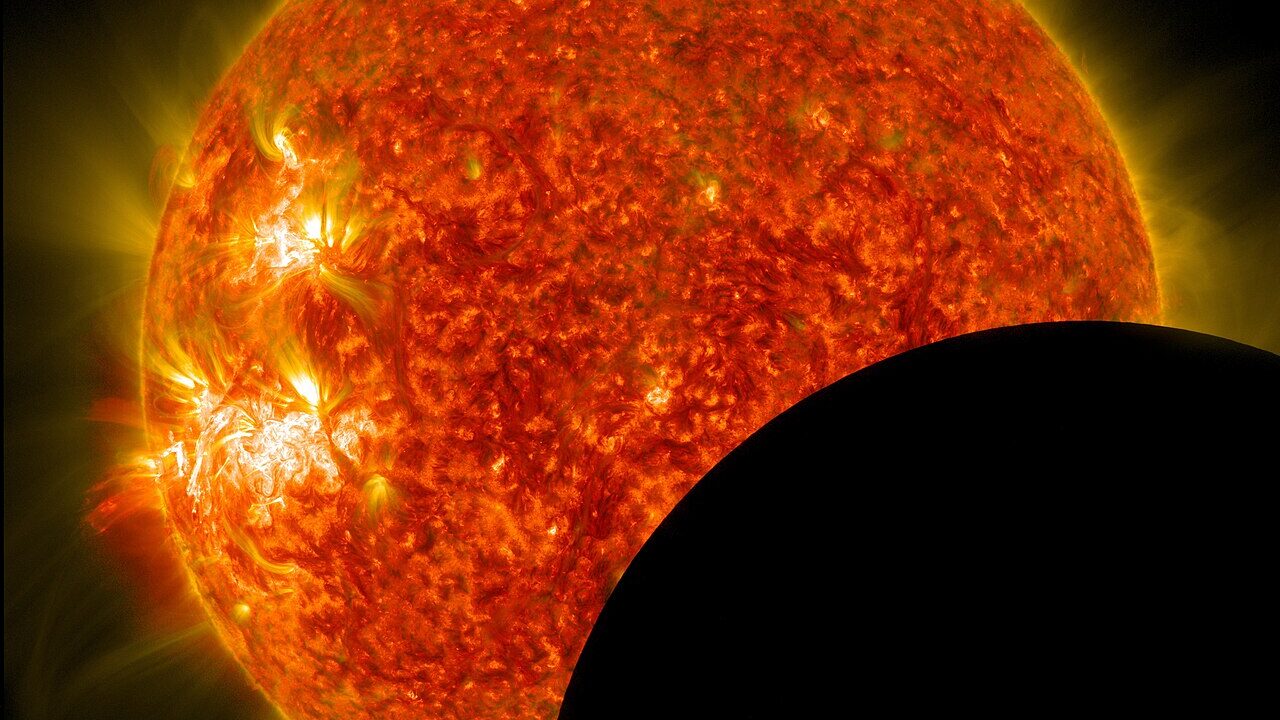
On the far side of the Moon, out of Earth’s sight, the Artemis II crew watched flashes of light where none should be — impacts, caught by human eyes at lunar distance for the first time in the programme’s return. In this official mission video, the science team explains what the crew observed, how impact flashes are distinguished from instrument artefacts and cosmic-ray noise, and why a witnessed flash is valuable: each one is a meteoroid strike recorded in real time, on a surface whose cratering clock scientists use to date terrain across the solar system.
The observation matters beyond its drama. The Moon has no atmosphere to burn up incoming rock, so its surface is a ledger of the impact environment that Earth shares but erases. Crew-witnessed flashes, correlated afterwards with orbital imagery to find the fresh craters, calibrate that ledger with a precision robotic monitoring alone has struggled to match — and they rehearse, on the programme’s first crewed lunar voyage, the surface-awareness that Artemis III’s docking rehearsals and the eventual landing will depend on. Our Science desk reports the mission’s next steps today.
The crew’s reports also carry a human-factors lesson the programme intends to keep. Robotic monitors watch the Moon continuously, but trained observers notice context — brightness, duration, position against the dark limb — in the seconds before instruments are even queried, and Artemis II was, among its many firsts, a test of how much science a crew adds simply by looking out of the window with intent. On the evidence of the flashes, the answer is: enough to change the observation plan for every crewed lunar mission that follows.
Video: NASA Science (official channel).
Related reading: