The Jeddah-based Organisation of Islamic Cooperation will convene on Wednesday at the request of Palestine and Iran to discuss the spiralling regional crisis, as the United Nations’ rights chief urged all parties — and the states with influence over them — to act urgently to pull the Middle East back from a wider war.
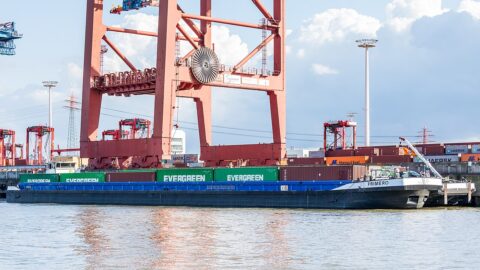
“What has become a very precarious situation” demands immediate de-escalation, UN High Commissioner for Human Rights Volker Turk said, according to the AFP news agency. The diplomatic push comes after a weekend in which Houthi projectiles struck Riyadh’s King Khalid International Airport twice, an outbound tanker was reported struck in the Strait of Hormuz, and Israeli strikes killed at least seven people across Gaza in two days, according to local health officials.
A crowded diplomatic calendar
Italy, which holds the rotating G7 presidency, added its voice on Monday: Foreign Minister Antonio Tajani and his Iraqi counterpart Fuad Hussein said in a joint statement that they agreed to make every effort to avoid a regional escalation. The OIC session, requested by two of the region’s most directly involved parties, will test whether the Muslim world’s largest bloc can convert concern into coordinated pressure.
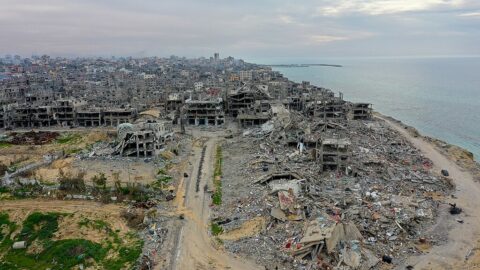
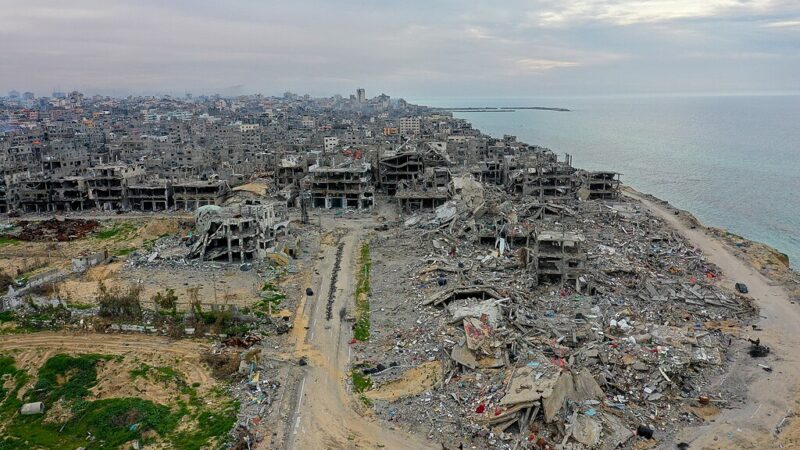
The backdrop is grim. The Israel-Hamas war, now three years on from the October 7 attacks, has drawn in Iran-backed militants across Syria, Lebanon, Iraq and Yemen; Israel’s campaign in Gaza has killed at least 39,653 people according to the Hamas-run health ministry, while 111 hostages remain held, including 39 the Israeli military says are dead. In Tel Aviv on Monday, thousands gathered to mark the fifth birthday of child hostage Ariel Bibas and to demand the family’s liberation.
What to watch
The question hanging over Wednesday’s session is whether diplomacy can move faster than the battlefield. Washington has positioned a third carrier strike group in the region and says it is working around the clock to avert escalation; Tehran has kept the Strait of Hormuz largely shut while signalling openness to talks. The market’s verdict is already visible in crude prices near $106 a barrel. As AFP’s reporting makes clear, the window for a negotiated off-ramp is narrowing by the day. Related: our coverage of US allies coordinating on trade pressure and the US-China tariff truce clock.