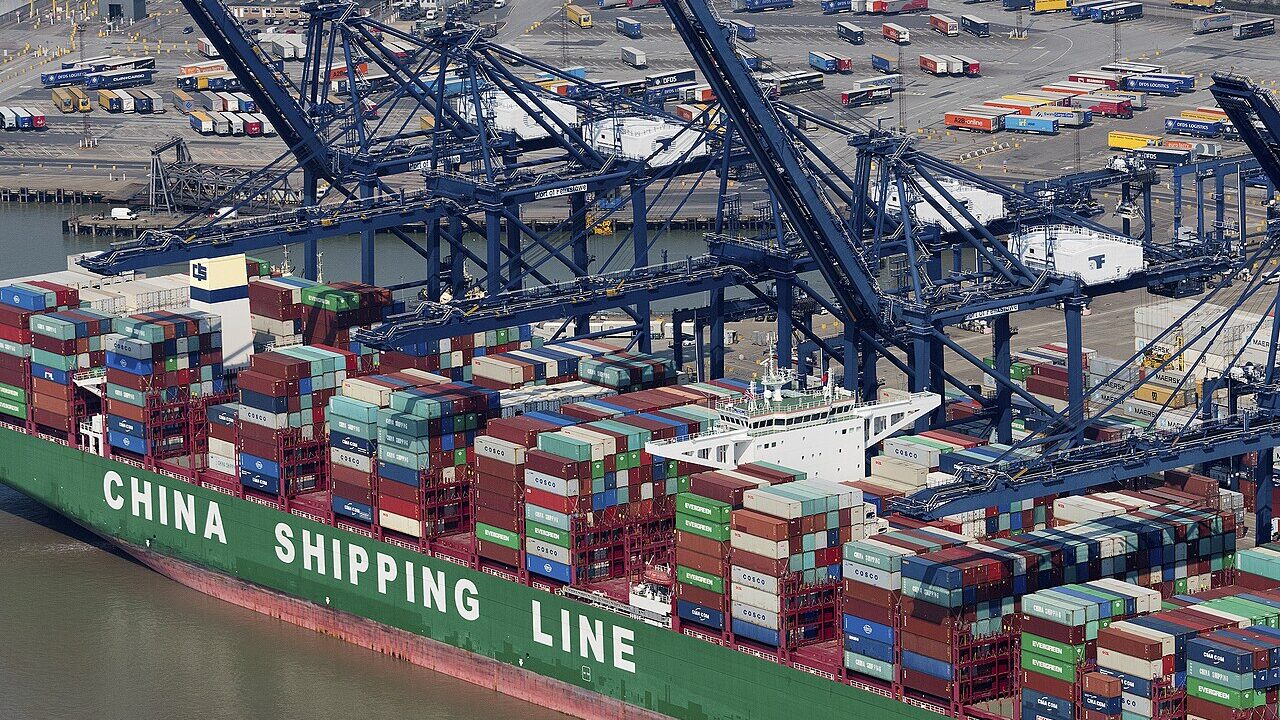
The United States and China have agreed reciprocal tariff reductions worth about $30 billion on each side, alongside new Board of Trade and Board of Investment mechanisms intended to manage the world’s most consequential trading relationship without returning to across-the-board escalation, according to reports of the understanding reached ahead of an expected Washington meeting between the two presidents.
The structure is as important as the sums. A Board of Trade gives both governments a standing table for tariff and market-access disputes, so that a disagreement over one product line does not have to become a headline confrontation. A Board of Investment does the same for the money flowing the other way: screening, approvals and the treatment of firms already operating across the Pacific. For American exporters — farmers, aircraft and energy suppliers, services firms — a standing board promises something the last several years rarely offered: a predictable address for a complaint.
The clock, however, is explicit. The current truce expires on November 10, according to reports, and the reductions are framed as targeted rather than comprehensive. Baseline tariffs remain far above pre-trade-war levels — around 30 percent on many Chinese goods in the reporting — and sensitive categories are handled separately. One account of the accompanying lists describes China easing duties on a wide range of American products while Washington adjusts a narrower set of categories, with soybeans notably absent from one version of the concessions. Readers should treat product lists as provisional until the official schedules are published; in tariff diplomacy, the annex is the agreement.
Why would both sides deal now? The reported logic is symmetrical. Washington wants export wins it can point to, lower friction on goods American firms still need, and a channel that survives election-season rhetoric. Beijing wants stable access to the American consumer, relief for exporters squeezed by duties and diversion, and evidence that engagement, not only self-reliance, remains available. The expected presidential meeting in Washington supplies the deadline that bureaucracies on both sides need to finish drafting.
None of this dissolves the underlying contest. Export controls on advanced technology, industrial subsidies and Taiwan-related risk sit outside the tariff boards, and a truce with an expiry date is a truce that must be renewed under pressure. Market reaction, as reported, has been cautiously positive precisely because the deal is modest: $30 billion in reciprocal cuts is real money for the firms involved, but small against total bilateral trade.
The test arrives in three parts: published tariff schedules that match the announcements, boards that actually meet and clear cases, and a November renewal that does not require a crisis to produce. Until then, American businesses should read the agreement as a corridor, not a settlement — useful, navigable, and clearly marked with the date on which it closes.
Related reading: