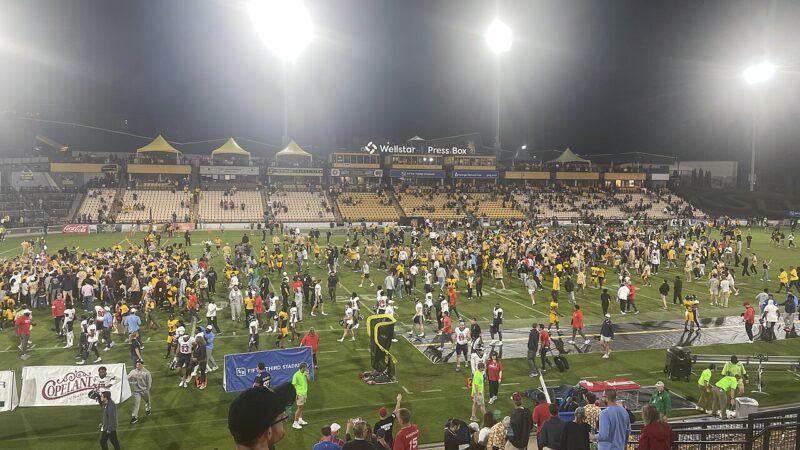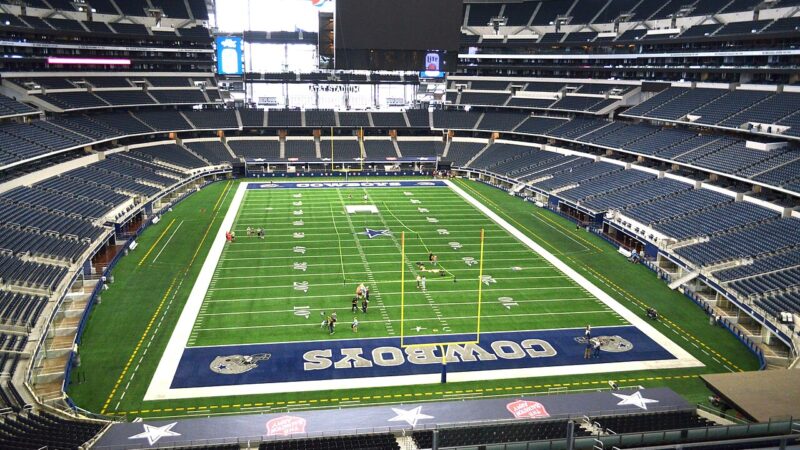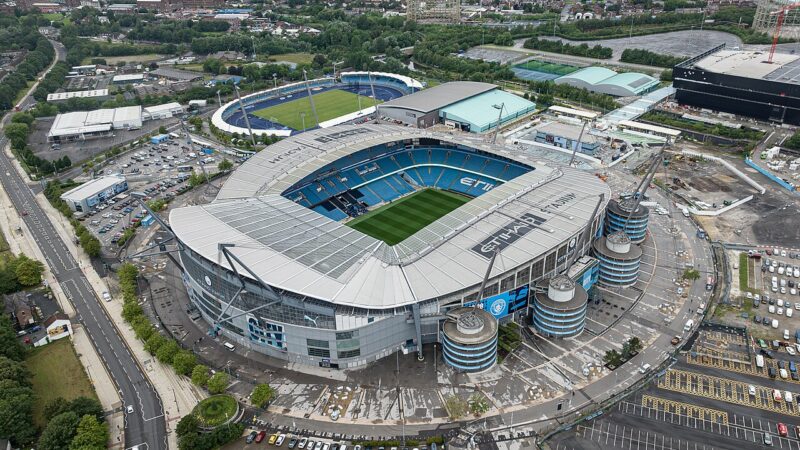
The NFL is playing nine international games in 2026, its largest overseas slate, spanning Melbourne, Rio de Janeiro, three London dates, Paris, Madrid, Munich and Mexico City — a schedule that has quietly converted the league’s foreign experiment into a second, travelling season, according to fixture reporting and results services.
The geography is the announcement. Melbourne hosted the first regular-season game in Australia, the San Francisco 49ers against the Los Angeles Rams at the Melbourne Cricket Ground in Week 1 — the Rams arriving only a day before the game, a preparation detail that drew criticism in coverage of the logistics. Rio de Janeiro staged Ravens-Cowboys in Week 3 before a United States television audience reported around 25 million, the most-watched international game, suggesting the league’s overseas product now rates like a domestic prime-time property. London’s residency runs through October: Indianapolis beat Washington 30-13 at Tottenham on October 4, with Eagles-Jaguars at Tottenham on October 11 and Texans-Jaguars at Wembley on October 18, before Paris (Steelers-Saints), Madrid (Bengals-Falcons), Munich (Patriots-Lions) and Mexico City (Vikings-49ers) complete the circuit.
Three business logics run in parallel. First, inventory: each new market is a media-rights negotiation, a sponsorship category, and a local-government relationship that outlasts the weekend. Second, scarcity engineering — nine games across seven countries keeps each event feeling like a visiting circus rather than a relocated fixture list, protecting ticket pricing and civic subsidies. Third, the long game of participation: the league funds flag football and academies in its host markets, buying the grassroots that American football never organically grew abroad.
The strains are equally visible. Competitive integrity questions follow every long-haul game — bye-week placement, acclimatisation windows like the Rams’ criticised one-day arrival, and the quiet advantage to designated “home” teams surrendering a genuine home date. Players’ bodies are the schedule’s unpriced cost, and each added time zone is a negotiation with the union waiting to happen.
Yet the direction is unmistakable. A league that earns the overwhelming share of its revenue inside the United States has decided its growth curve lives outside it, and is now programming nine weekends a year to prove the curve exists. The 2026 slate is not a tour supporting the season. Increasingly, for the executives who draw the map, the season is the platform — and the tour is the strategy.
Related reading: