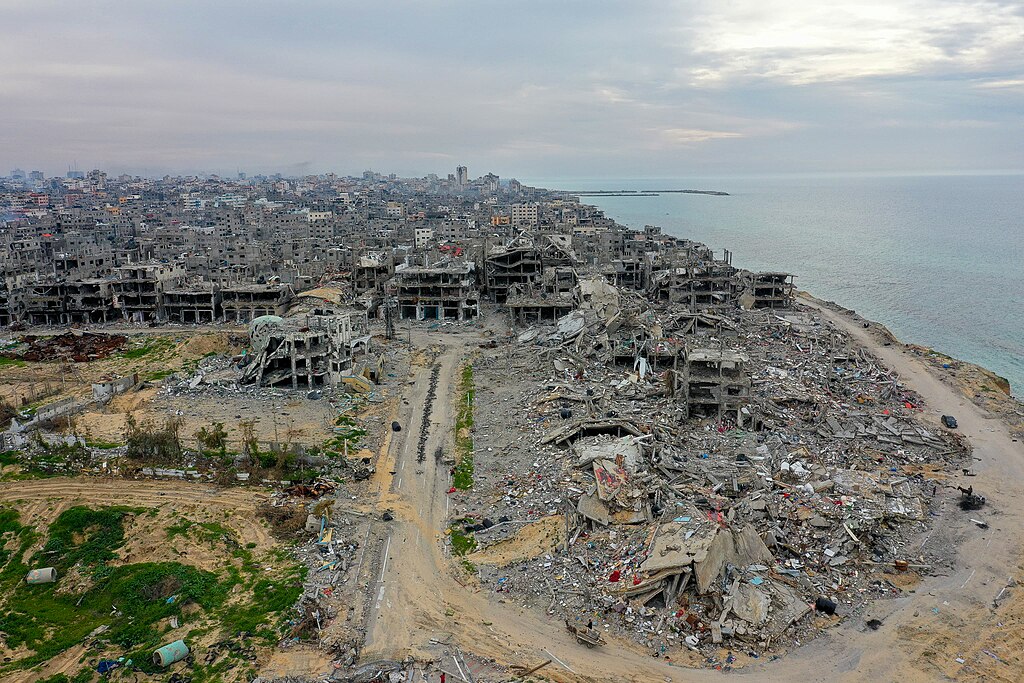
One year ago, on October 10, 2025, a United States-brokered ceasefire took effect in Gaza, raising hopes that the bloodshed would finally end. Twelve months on, that hope has collapsed: according to reports published on October 10, 2026, Israeli forces continue to kill and wound civilians in the territory, and the deal meant to end the war is stalled on nearly every front.
A rights watchdog said this week that Israeli forces have continued to kill and wound civilians over the past year while denying Gaza’s population sufficient food, aid, and water. Gaza’s Health Ministry puts the death toll since the war began at 74,016, with 175,068 wounded. About half of the dead are women and children, according to the ministry, whose records are regarded as generally reliable by United Nations agencies.
More than 1,400 Palestinians have been killed since the ceasefire took effect, according to the ministry and the watchdog. In the same period, between five and seven Israeli soldiers have been killed. Prime Minister Benjamin Netanyahu has said Israeli troops will not withdraw from Gaza until Hamas disarms, a position that has frozen progress on the next phases of the agreement.
Hamas formally dissolved its government in July but retains its civil service, and the group remains dominant in roughly 40 percent of Gaza not controlled by Israeli troops. A new Palestinian administration meant to take over governance has been blocked from entering Gaza via Egypt, leaving a vacuum on the ground.
The security arrangements envisioned in the deal have also failed to materialize. An International Stabilization Force announced in February was never established; Indonesia, which had pledged 8,000 troops to the force, suspended its plans last spring. Israeli forces now control more than half of Gaza and have pushed the so-called Yellow Line of control westward, further shrinking the territory under Palestinian administration.
Implementation of the deal is formally the task of the Board of Peace, chaired by former President Donald Trump. But with the ceasefire fraying, aid still restricted, and no credible governance arrangement in place, the agreement’s second year begins under a cloud as deep as its first.