The Iran decision will not wait past November 3, and the calendar is now doing as much work as the diplomacy. The American midterms fall on Tuesday, November 3, the Oleshky ceasefire window ends on November 1, and the Montreal summit closes on Friday, October 30. Each of those dates constrains the others. A decision on Iran taken before the midterms would be read as an election act. A decision delayed past them would be read as indecision. The window for a decision that is judged on its merits, rather than on its timing, is narrowing by the day.
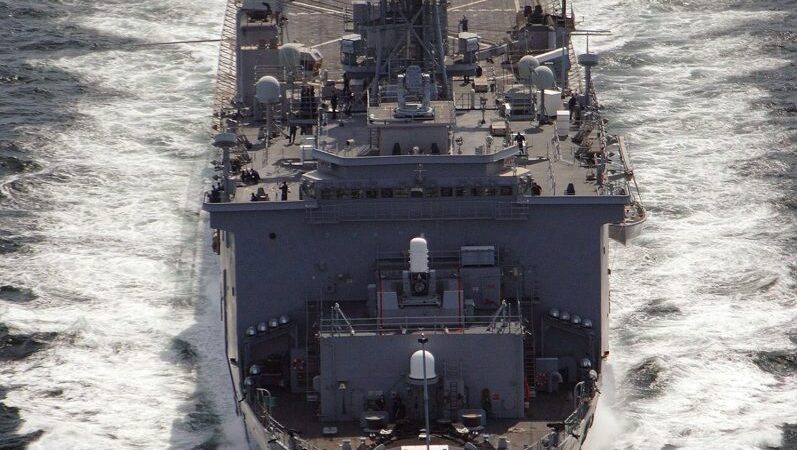
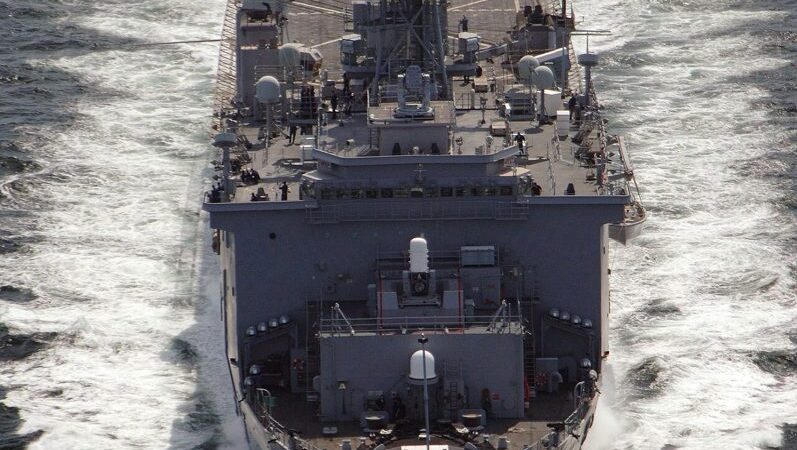
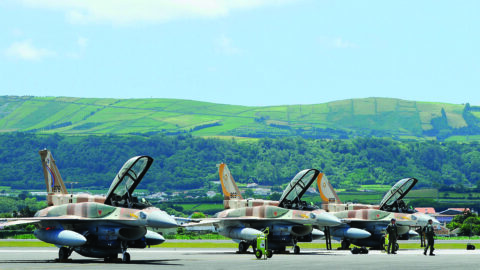
The visible precautions have already been taken. Embassies have been emptied in some locations, warnings have been issued to citizens across the region, and military assets have been positioned. Those steps carry costs of their own: in money, in diplomacy, and in credibility. Staying on alert is expensive, and it cannot be sustained indefinitely without either a decision or a stand down. The longer the alert continues without a decision, the more it looks like a posture rather than a preparation, and postures lose their deterrent value over time.
What the decision actually involves
The choice, as it has been presented in reporting over recent weeks, is between a negotiated arrangement and a military option, with various intermediate steps in between. A deal would require concessions from both sides and a verification regime that neither side fully trusts. A military option would carry risks that extend far beyond the immediate targets, including regional escalation, energy disruption and the political consequences of a new conflict. The intermediate steps, sanctions, warnings and positioning, are already largely in place, which is why the decision now feels binary even though the underlying options are not.
The regional context complicates every option. Houthi strikes have already forced Saudi Arabia to postpone a major investment event to 2027, and Gulf security has deteriorated over recent weeks. Any Iran decision will be read in Riyadh, in Abu Dhabi and in Jerusalem as a signal about American commitment to the region, and that reading will shape the next decisions those capitals take. A decision on Iran is never only about Iran.
The days that will decide it
The most likely path is that the decision is deferred, in practice if not in words, until after November 3, when the electoral constraint lifts. That deferral has its own risks, because the alert posture cannot be held forever and the Oleshky deadline on November 1 may change the diplomatic landscape before the midterms arrive. The Montreal summit’s focus on defence and security cooperation is a reminder that allies are also watching, and that their planning depends on knowing what Washington intends.
By November 4, the calendar will have cleared, and the decision will no longer be able to hide behind it. Whether it is a deal, a strike or a further delay, it will be judged on its own terms, and the weeks of warnings and positioning will be remembered as the prelude to whichever choice was finally made.