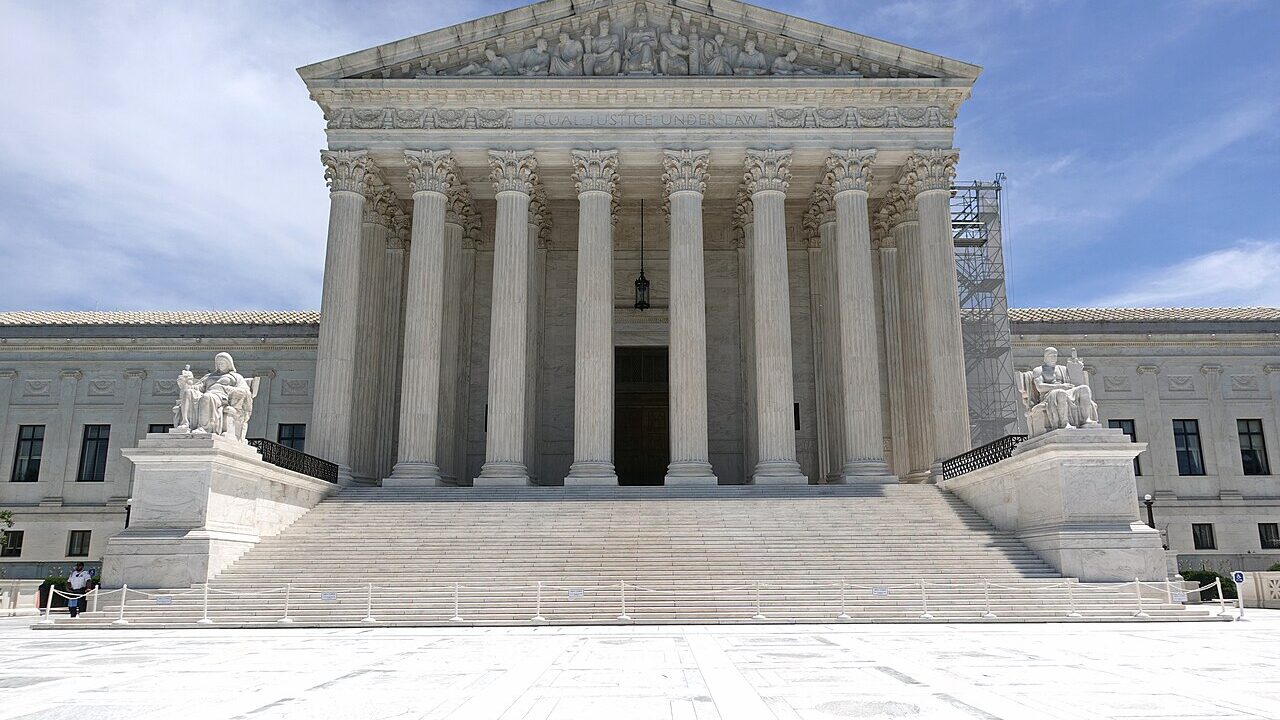
After a Supreme Court ruling against the use of emergency economic powers to impose sweeping tariffs, the White House has turned to a narrower temporary authority — a 10 percent levy under Section 122, reported to run for 150 days from late February 2026 — in a shift that moves the tariff fight from constitutional drama to statutory clock-watching, according to reporting on the administration’s response.
Section 122 is an old, seldom-used provision that lets a president impose a temporary surcharge to address balance-of-payments problems. Its virtues, for a White House in a hurry, are speed and simplicity; its limits are written into the same sentence — a capped rate and a 150-day life unless Congress extends it. The reported design reflects those limits: a flat temporary rate, with carve-outs described for politically and strategically sensitive categories including aerospace, pharmaceuticals and critical minerals.
The court history matters to how businesses should read the new levy. The emergency-powers route promised durability — tariffs until the president revoked them — and the judiciary, as reported, rejected that breadth. Commentary and litigation reporting around the rulings describe refund claims by major importers and continuing appeals over duties already collected, with sums in the tens of billions cited in court-adjacent analysis. Readers should treat any single figure for collections or refunds as contested until the courts and the customs service settle the accounting; what is not contested is that the legal centre of gravity has moved from the emergency statute to Congress’s older, narrower delegations.
Practically, the 150-day window creates three overlapping races. Importers must price goods against a levy that may lapse, be extended by Congress, or be replaced by product-specific duties under other statutes. Trading partners must decide whether to negotiate within the window or wait it out. And the administration must convert a temporary bridge into whatever permanent structure it actually wants — sector investigations, negotiated boards of the kind now discussed with China, or legislation — before the bridge expires.
The carve-outs tell their own story. Sparing aerospace, medicines and critical minerals concedes that a tariff is also a tax on one’s own supply chain, and that some dependencies cannot be taxed away in five months. Expect the exclusions list, and every request to join it, to become the real lobbying battlefield of the temporary regime.
Tariff policy by emergency declaration asked the courts for a blank cheque and was refused, on the reported account. Tariff policy by Section 122 asks Congress for time. Importers, partners and voters will learn by midsummer whether time is what the administration actually needed — or merely the next deadline to negotiate against.
Related reading: