From Kyiv to New Delhi to Brussels, capitals spent Saturday digesting the same news: the toughest Russia sanctions package Congress has produced in years will not take effect — at least not now. Donald Trump’s decision to waive most of the Lindsey O. Graham Sanctioning Russia and Iran Act reshapes the global Russia equation weeks before America’s midterms.
The law would have imposed tariffs of up to 100 per cent on goods from the five largest importers of Russian crude and gas — a list topped by China and India — alongside sanctions on Russian officials, banks and the shadow tanker fleet. On Friday, Mr Trump shelved the bulk of it, certifying the waiver as in America’s national interest, according to analysis of the order.
Relief in Delhi, alarm in Kyiv
For India, among the biggest buyers of Russian oil, the waiver removes an imminent threat to its energy trade — New Delhi had raised concerns about the bill, Reuters reported. For Ukraine, it is the opposite: President Volodymyr Zelensky has argued renewed fuel sales would hand Moscow fresh money for its war, and the waiver arrives as Mr Trump warms toward the Kremlin while questioning Kyiv’s leadership.
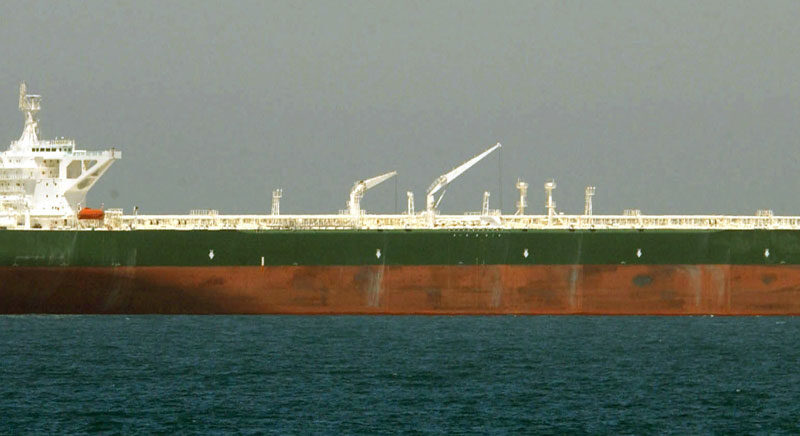
European allies, already split over energy exposure, now face a Washington less willing to force the issue. The decision also complicates the pressure campaign around Hormuz, where Middle East tensions have already pushed Brent crude to $110.
What comes next
The waiver stands until Mr Trump or his officials decide otherwise, and the trade representative must track Russian energy buyers and report back — a monitoring regime that keeps the threat alive without pulling the trigger. Analysts note the timing is no accident: with energy prices surging and the midterms looming, the administration chose cheaper fuel and calmer markets over maximum pressure.
For the world’s importers, the message is a reprieve; for Kyiv, it is a reminder that Western unity on Russia now runs through one man’s definition of the national interest. And for Congress, which passed the Graham Act with rare bipartisan force, it is a lesson in the limits of legislating foreign policy when the White House holds the waiver pen.