Qatar Unveils Regional Air Defense, Counter-Drone and Cyber Initiative as Gulf Rethinks Its Security
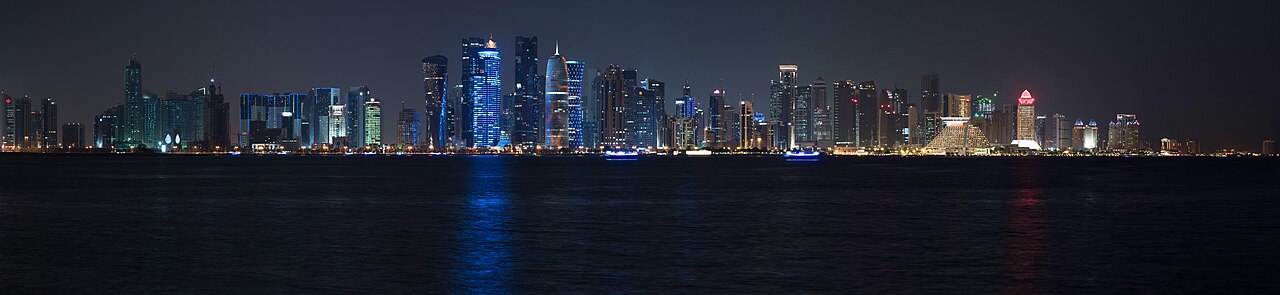
Qatar will soon announce a new regional partnership to build joint capabilities in air defense, counter-drone measures and cybersecurity, the country’s defense minister said Monday at the Global Security Forum in Doha, signaling a Gulf-wide rethink of security after Iranian attacks on energy infrastructure.
Sheikh Saoud bin Abdulrahman Al Thani, the Minister of State for Defence Affairs and Deputy Prime Minister, said the initiative would address ballistic missiles, drones and cyberattacks, though he did not elaborate on the partners, according to reports from the forum. “Mediation doesn’t mean that we should not be ready for any defensive action from our side,” he said.
Why the Gulf Is Arming Differently
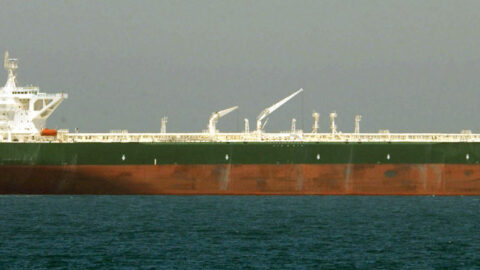
The initiative reflects lessons from the Iran war. Qatar was forced to shut much of its Ras Laffan LNG complex after Iranian attacks on Gulf energy sites, and faced shipping restrictions through the Strait of Hormuz. Doha says more than 90 percent of attacks were prevented through its US partnership, and reported shooting down two Iranian warplanes in an early March attack. The Al Udeid airbase, which hosts US forces, is being further developed. The pattern is visible across the region’s shipping lanes, where Iran has shifted tactics on Hormuz shipping as the stakes rise.
The three pillars of the initiative, air defense, counter drones and cybersecurity, map directly onto the threats the Gulf has faced: ballistic missiles aimed at energy infrastructure, drone swarms over shipping lanes, and cyberattacks on critical systems. A regional approach, rather than each state buying its own systems, would mark a shift toward collective Gulf deterrence.
Mediation Plus Missiles
The announcement captures Qatar’s dual strategy: mediating conflicts while arming for them. Al Thani expressed hope for broader regional dialogue, but the forum’s message was that diplomacy now travels with deterrence. The same week, regional bodies were urging urgent de-escalation even as states invested in harder defenses.
A separate announcement on a local defense production hub, developed with a regional partner plus the United States, the United Kingdom and France, underscored the industrial side of the same strategy: “We are partnering with a regional partner, in addition to other partners such as the United States, the United Kingdom, France, to make sure either we do local protection or we are investing in some of these companies.”