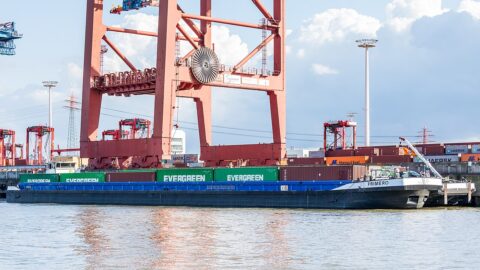
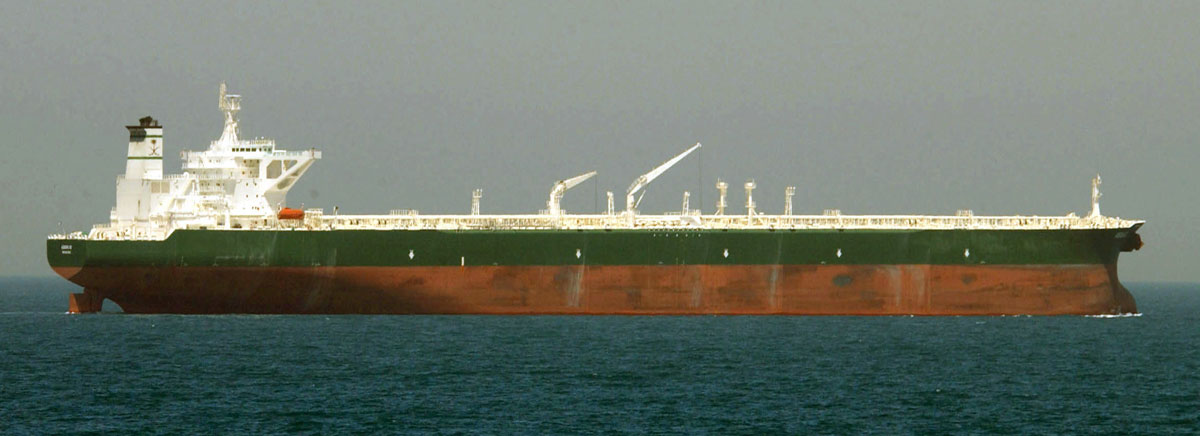
Iran is deploying new tactics against commercial shipping in the Strait of Hormuz, two senior Iranian officials told Reuters on Wednesday, in a push to keep oil prices high and shape the November midterm outcome.
The officials, speaking anonymously, said the strategy was decided at the highest levels in Tehran and is coordinated across the ruling system. One said Iran had changed both the type and pace of operations against vessels it considers in violation of its restrictions over the past ten days, producing a noticeable rise in attacks. “The aim is to frustrate efforts by the United States and its allies to bring down global oil prices,” one official told Reuters.
A US military official, also speaking anonymously, confirmed one element of the shift: after US strikes degraded much of Iran’s radar coverage, the Islamic Revolutionary Guard Corps began using unarmed spotters in small boats to pick out targets, including American naval vessels. Reuters reported at least five incidents involving tankers and commercial ships in the 48 hours before publication.
Why it matters for American voters
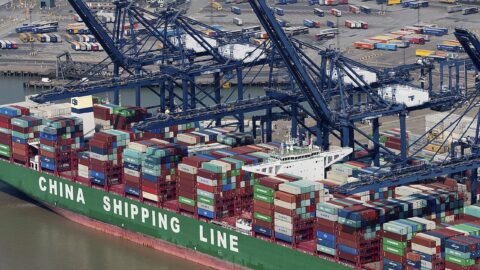
The waterway carried roughly a fifth of global oil and liquefied natural gas trade before the current conflict, which began with the US-Israeli strikes on Iran in February. Iranian threats and attacks have sharply curtailed traffic since, lifting crude prices though some cargoes still get through. For American households, the risk is straightforward: sustained disruption at Hormuz feeds directly into fuel costs, with less than three weeks before the November 3 vote — timing the officials themselves linked to their strategy.
Independent monitoring groups add detail. The Institute for the Study of War said on October 13 that Iran appeared to be targeting commercial vessels conducting ship-to-ship oil transfers in and around the strait, and may be developing anti-ship missile capabilities. Britain’s Maritime Trade Operations Centre reported at least three vessels hit by unknown projectiles a day earlier, with no responsibility claimed.
What to watch
The question now is whether deterrence hardens or snaps. Washington says 19 million barrels of crude transited the strait on October 12 and is working to keep energy flowing; Tehran says it is reasserting control and deterring ships from routes it has not approved. The pressure comes as regional diplomacy accelerates, with the Islamic Cooperation body convening this week to address the spiralling crisis, and Washington juggling the file alongside a trade truce with Beijing. As Reuters’ reporting on the new tactics makes clear, the confrontation has entered a more dangerous phase — and American voters will feel the first consequences at the fuel pump. Related: our coverage of the OIC session and the US-China tariff truce clock.
Related reading
Sources: bworldonline.com, ttnews.com