The United States and 14 partner economies have pledged joint action against excess manufacturing capacity, in a coordinated move that puts factory overproduction — from electric vehicles and batteries to solar panels and semiconductors — at the centre of transatlantic and Indo-Pacific trade diplomacy, according to reports of the agreement reached on the sidelines of Group of 20 discussions in Milwaukee.
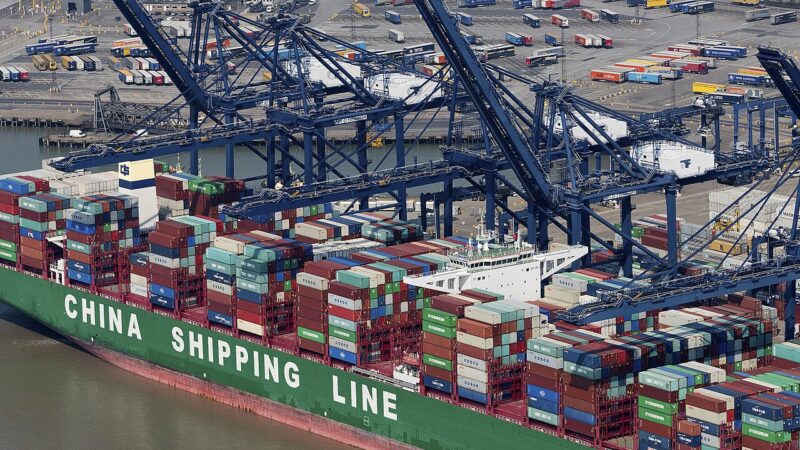
The pledge matters to American readers for a direct reason: excess capacity abroad does not stay abroad. When subsidised factories produce more cars, batteries, chemicals or chips than their home markets can absorb, the surplus is exported, prices fall, and United States producers face competition that reflects another government’s industrial budget as much as factory efficiency. The reported agreement is therefore less a communiqué than a warning system: partners commit to share information on subsidies and capacity expansions earlier, coordinate responses, and present a more united front in negotiations with the economies whose policies create the surplus.
Washington’s part of the bargain, according to reports, includes a broad review of more than a dozen trading partners whose industrial policies are under scrutiny. Higher tariffs are described as the expected backstop if consultations fail — not an automatic outcome, but a stated consequence that gives the pledge negotiating weight. For United States importers, retailers and manufacturers that buy components abroad, the practical effect could arrive in stages: first closer monitoring and public findings, then targeted duties on the product lines where overcapacity is documented most clearly.
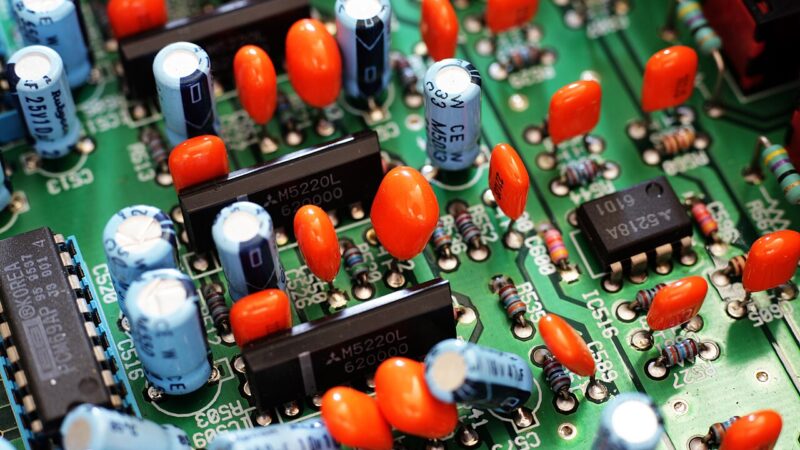
The sector list tells its own story. Autos and electric vehicles are where the politics are hottest, because assembly plants and battery gigafactories employ large numbers of workers in identifiable towns. Batteries, solar modules and chemicals follow the same pattern: heavy upfront subsidy, rapid capacity growth, then export pressure. Semiconductors sit in a category of their own, simultaneously a commercial market and a strategic asset, which is why chip capacity appears in a trade pledge that might once have covered only steel and aluminium.
Analysts caution, in the reporting, against expecting a single dramatic announcement. Capacity diplomacy works slowly: data must be agreed, a partner must be shown to be exporting the consequences of its subsidies, and remedies must survive legal challenge at home and retaliation risk abroad. The pledge’s value, on that reading, is that it multiplies the complainants. A duty imposed by one country invites diversion to the next open market; coordinated action closes the side doors.
For American households, the stakes cut both ways, and honest reporting should say so. Cheaper imported goods lower prices at the checkout today; the loss of domestic production capacity raises strategic and employment costs tomorrow. The Milwaukee pledge, as reported, chooses resilience over the cheapest possible import — and reserves tariffs to enforce that choice. Whether it changes factory decisions in the economies it targets will be measured not in statements but in cancelled expansions, and that evidence will take quarters, not weeks, to arrive.
Related reading: