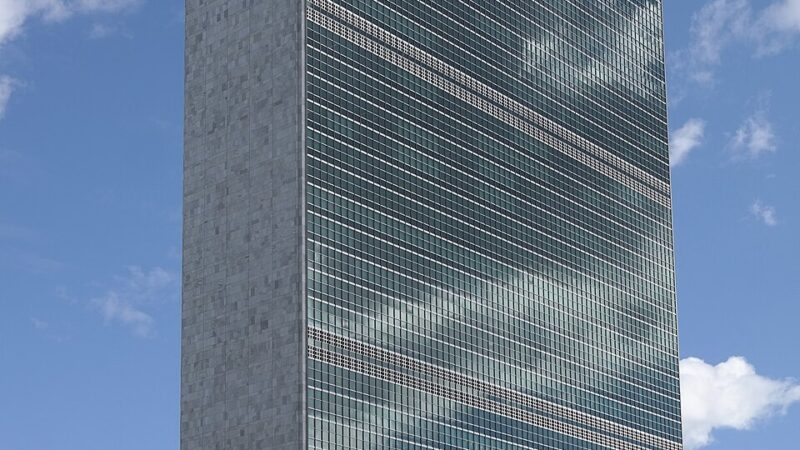

The next United Nations climate summit, COP31 in Antalya, Türkiye, from November 9 to 20, 2026, is being framed by negotiators as an implementation conference — a deliberate lowering of theatrical ambition after COP30 in Belém ended without the fossil-fuel phase-out text that more than 80 nations had pushed for, according to reporting on the preparations.
Implementation is a less glamorous word than breakthrough, and that is the point. The Belém outcome, as described in summit coverage, left the central fight — whether the final text would name a phase-out of fossil fuels — unresolved, while the surrounding package of finance, adaptation and implementation measures was judged insufficient by many developing-country delegations. Antalya inherits that unfinished sentence. Host-country diplomacy is therefore concentrating on deliverables that can be counted: finance disbursed, adaptation plans funded, and the machinery to track whether existing pledges are being met.
The absent chair at the table is American. For the first time in three decades, the United States did not participate as a negotiating party at Belém, according to summit reporting, a withdrawal that reshapes every corridor calculation. Without Washington, the European Union’s expectations are described as modest: defend the existing framework, keep the finance conversation alive, and avoid a text that collapses of its own ambition. For United States readers, the paradox is direct — decisions taken in Antalya will shape energy markets, insurance costs, supply chains and disaster exposure at home whether or not an American delegation signs them.
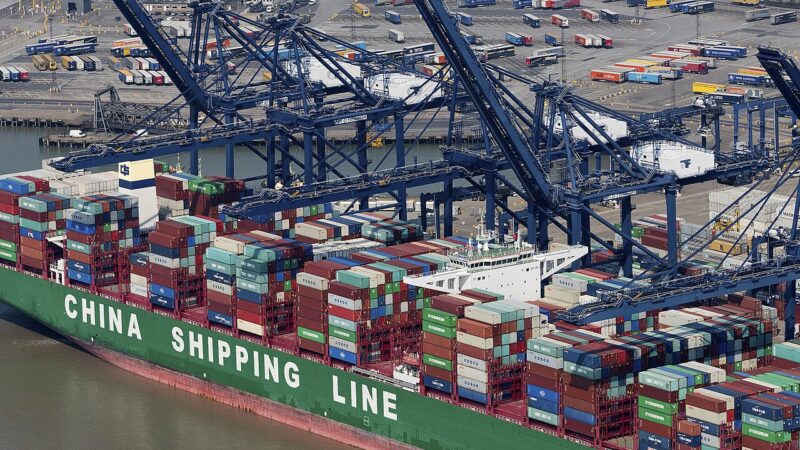
Energy facts on the ground complicate the moral geometry. Coverage of the road to Antalya notes record United States energy exports and expanding liquefied natural gas shipments, even as global emissions accounting and shipping-fuel rules — including the maritime sector’s stalled carbon measures — remain unresolved. Negotiators call this the implementation gap: national pledges that sum to one future, and industrial investment that builds another. COP31’s test is whether an “implementation” agenda can narrow that gap with timetables and money rather than adjectives.
Climate-finance arithmetic will dominate the side rooms. Developing economies want the adaptation and loss-and-damage promises of earlier summits converted into disbursement schedules; donor treasuries want private capital to carry more of the load; and vulnerable states, facing debt as well as weather, want grants distinguished clearly from loans in the final accounting. None of these fights produces a signing ceremony. All of them decide whether Antalya is remembered as maintenance or as drift.
Expect, therefore, a summit judged by technicians: work programmes adopted, reporting templates agreed, finance tables published. In a process that has often rewarded the last-night headline, COP31 is asking to be graded on homework. For an American audience watching from outside the room, the grade still matters — in premiums, in port and grid investment, and in the price of the energy transition that proceeds with or without a gavel.
Related reading: