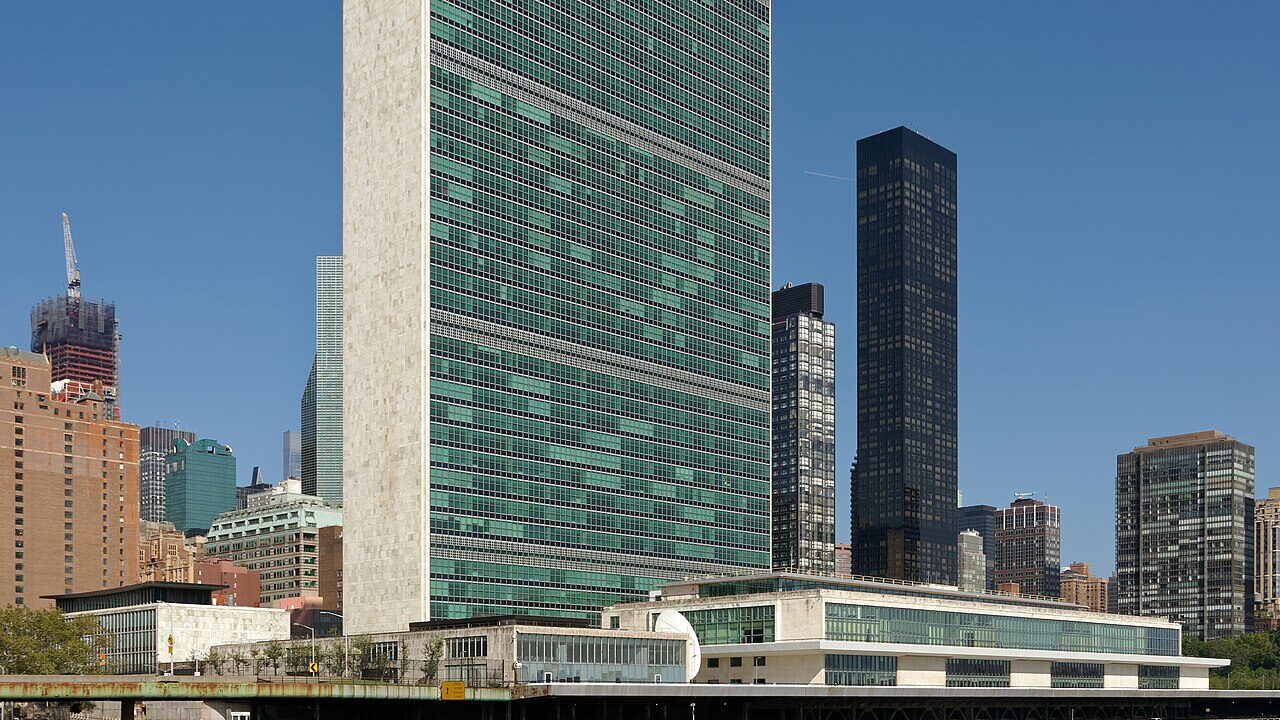
The United States has rejected a United Nations pandemic-preparedness declaration and ceased negotiations on the World Health Organization’s Pandemic Agreement and the amended International Health Regulations, ending American participation in the post-Covid effort to write shared rules for the next global outbreak, according to reporting on the October 2, 2026 announcement.
The decision completes a sequence that began with the American withdrawal from the WHO itself, completed in January 2026 after the required one-year notice. Funding ended, personnel were recalled, and hundreds of technical engagements were suspended, as our Health desk reports in detail. The October step closes the remaining legal track: even as an outside observer of the new pandemic architecture, Washington will not be at the table where pathogen-sharing, vaccine-allocation and emergency-declaration rules are being drafted.
The administration’s stated logic, as reported, is sovereignty and performance: pandemic rules negotiated internationally could constrain American decisions in a crisis, and the WHO’s Covid-era record — on origins, on guidance, on deference to member states — forfeited the benefit of the doubt. Supporters of the declaration answer with the arithmetic of biology: a virus boards an aircraft hours after detection anywhere on earth, and the value of an agreement is measured in the first fortnight of an outbreak, when sample-sharing and transparent reporting decide whether containment is possible.
The practical consequences arrive quietly. American scientists and agencies lose standing access to the forums where surveillance data standards are set; American manufacturers risk being outside allocation frameworks their competitors negotiate inside; and in the next emergency, Washington will request, bilaterally and at speed, the cooperation it declined to pre-arrange multilaterally. None of that makes an outbreak more likely. All of it makes the first American response more improvised.
Other governments are proceeding without the United States, as they did with the Pandemic Agreement’s adoption. The architecture will be built; the open question is whether, in a crisis, a system designed without its largest historical funder and deepest scientific base performs well enough to make the American absence look principled rather than costly. That verdict will be delivered by an event nobody can schedule and everybody can imagine.
Sovereignty arguments deserve their hearing — a treaty that cannot survive a Senate was never truly ratified consent. But preparedness is not symbolism. Rejecting the declaration costs little today, which is precisely when preparedness is cheapest. The bill, if it comes, will be presented all at once, in the worst fortnight, to a government that chose to negotiate then instead of now.
Related reading: