
Federal prosecutors have charged the chief executive of a California company, Earthmade, with conspiring to divert Nvidia GPU servers to China through Malaysia and Singapore using false paperwork — an indictment, announced after an October 1 arrest, that lays out in unusual detail how export controls are alleged to fail in practice, according to reporting on the case.
The alleged scheme, covering October 2023 to August 2026, is a study in documentary fiction. Servers containing restricted graphics processors were, on the prosecution’s account, sold onward through intermediaries in Singapore and Malaysia toward Hong Kong and mainland destinations, while end-user statements named customers and uses that did not exist. Bank records from major American institutions are cited as tracing the money; a second individual, identified in coverage as “Jackie Lui”, features in the alleged logistics. The charges stack the export-control arsenal: conspiracy under emergency economic powers, smuggling, and money laundering, carrying reported maximum penalties of 20 years, 20 years and 10 years respectively on the respective counts.
An indictment is an allegation, and this article reports it as one. The defendant is presumed innocent, the described paperwork will be tested against defence evidence, and plea or trial will decide what the documents prove. What the case already establishes — because prosecutors chose to bring it publicly — is enforcement intent. Export controls deter through two channels: the licence an honest exporter seeks, and the prosecution a dishonest one reads about. The Earthmade case is plainly aimed at the second channel’s audience, which includes every freight forwarder, reseller and finance officer who has wondered whether end-user certificates are audited after the container sails.
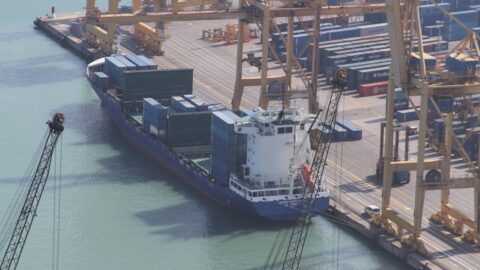
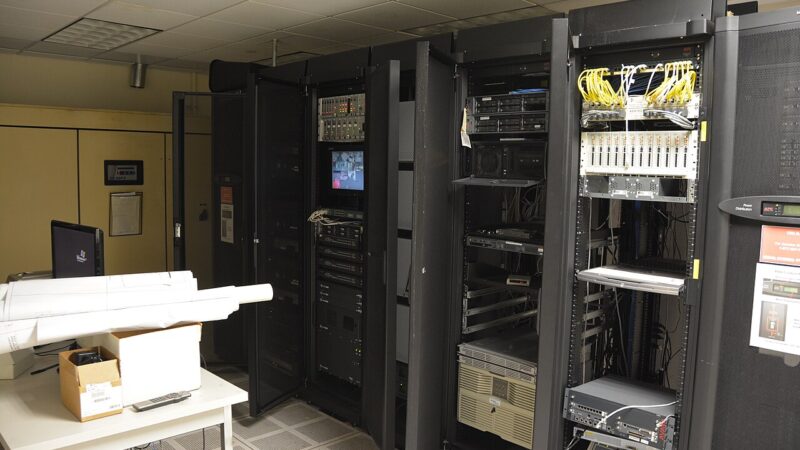
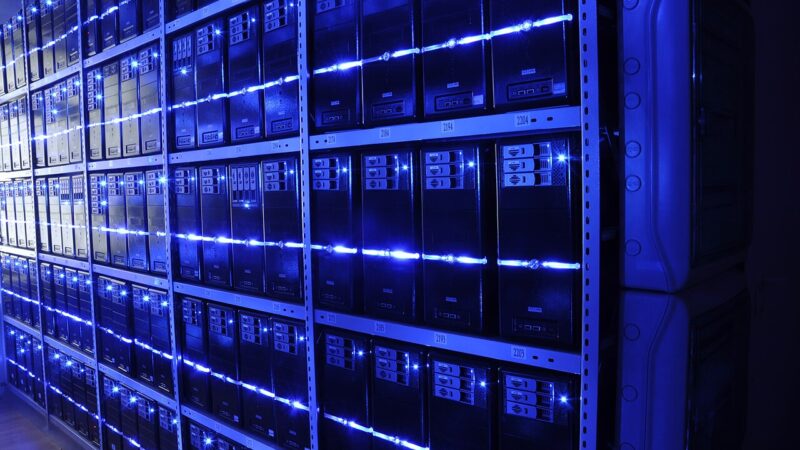
The technical detail matters to that audience. Ninety-two servers in one tranche and a hundred in another, on the reported account, are not suitcase smuggling; they are container-scale commerce requiring warehouses, invoices, customs filings and payments — each a checkpoint where a control either functioned or was papered over. Investigators’ reliance on banking records underlines the modern reality: the cargo may be relabelled, but the money keeps its name.
For the legitimate industry — cloud builders, universities, hospitals buying the same class of machine — the cost of cases like this arrives as compliance: slower licences, harder questions, genuine end-users treated as suspects until documented. That friction is the deliberate price of a control regime that has decided advanced computing is a strategic good. Whether juries agree, in this case and the ones it is meant to inspire, will calibrate how much of that price the system is truly willing to charge.
Related reading: