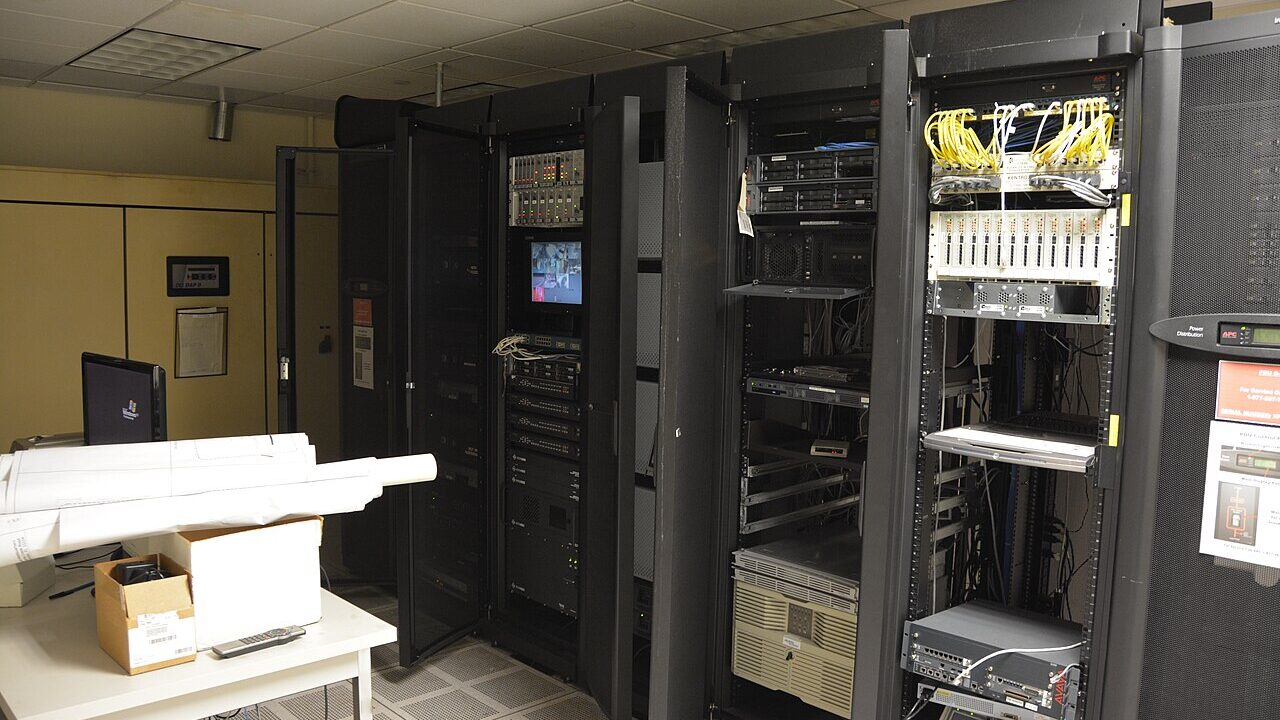
California has enacted the most detailed data-centre transparency regime in the United States: seven laws signed September 21, 2026, taking effect January 1, 2027, that together require large facilities to report energy, water and emissions-relevant data monthly, make developers pay for the grid upgrades their loads require, and end blanket environmental-review exemptions, according to reporting on the package.
The reporting duty is the foundation. Facilities at or above 500 kilowatts must file monthly data with the state energy commission covering electricity use, efficiency (PUE), water use and effectiveness (WUE), on-site generation, fuels, refrigerants, noise and renewable share — the first time the industry’s resource footprint in California becomes a public, continuing record rather than a permit-application snapshot. What gets measured monthly gets managed, and what gets published gets debated with numbers instead of renderings.
The money provisions follow the load. Under the utility provisions described in coverage, developers of very large facilities — above 75 megawatts — pay for the transmission and distribution upgrades their demand triggers, and water agencies may require forecasts plus full funding of the infrastructure a facility’s consumption necessitates. The principle is cost-causation: a data centre that requires a substation buys the substation, rather than socialising it across households whose bills have become the defining utility politics of the AI build-out. The environmental law completes the turn by ending the assumption that a warehouse full of computers is, for review purposes, just a warehouse.
Context explains Sacramento’s timing. Local moratoria and county-level emergency measures against new facilities have spread as residents discovered that “the cloud” has a substation, a water line and a diesel yard. State government is choosing regulated welcome over patchwork prohibition — a bet that an industry required to disclose and to pay its infrastructure costs can keep building, while one that externalises both will eventually be zoned out of the state entirely.
National significance travels fast in utility law. Other load-growth states are writing their own versions this session, and a monthly California dataset will become the reference table in every one of those hearings. The hyperscalers’ preference for confidential, negotiated load arrangements meets, in this package, a legislature that has decided the public is a party to the negotiation. From January, in California, the meter is published. The rest of the country’s commissions will be reading it.
Related reading: