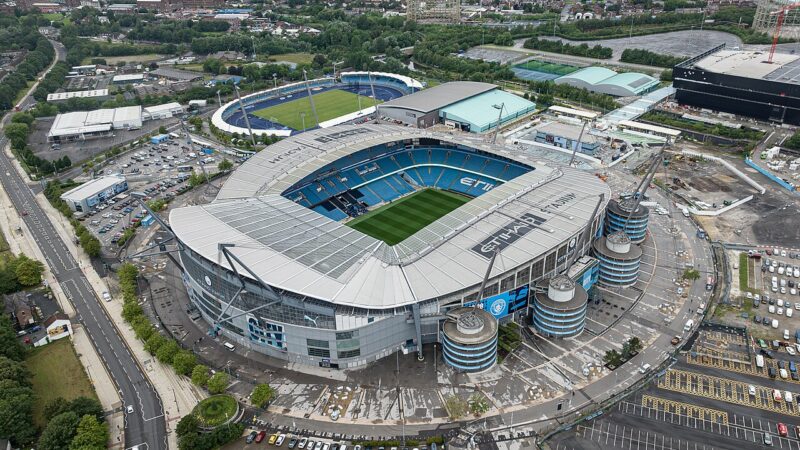

The 2026 World Cup’s final whistle started a second contest in its eleven American host cities: the accounting. Local costs per city are estimated between $100 million and $200 million for infrastructure, security and logistics, against a tournament whose governing body retained essentially all ticketing, media, sponsorship and concession revenue — a structure host-city sources have called, in reported comments, the most one-sided deal in the event’s history, according to cost reporting before and after the tournament.
Public money filled the local side of the ledger. The federal government allocated $625 million in security grants across the host cities; one host committee’s published accounting, cited in post-tournament reporting, lists about $42.5 million from its state, $28 million from the neighbouring state sharing the metro, $14.8 million from the city itself and further federal transport and security assistance approaching $87 million of identified public investment for a single market. Multiply the pattern, with local variation, by eleven. Add the line items that became symbols: a transit agency facing a bill in the tens of millions to move fans, a $13 million pitch reconstruction so the final’s stadium met specification, fan festivals whose daily operation depended on local budgets even as their atmosphere headlined the broadcast.
The federal security figure deserves its own sentence, because it reframes whose tournament this was. When Washington funds security, states fund operations and cities fund the stage, the “host” in host city means underwriter. The organiser’s contribution — the event itself, its brand rules, its clean-stadium requirements that stripped local sponsors from their own venues — was real but substantially prepaid by the hosts’ compliance. Pre-tournament reporting described a collective shortfall of at least $250 million and cities reduced to courting neighbourhood sponsors for fan-zone costs, their own convenience-store chains excluded by the organiser’s category protections.
Defenders of the model answer in tourism: hotel taxes, global broadcast exposure priced in decades, airports and transit built or accelerated. Those returns are genuine and unevenly audited; the costs are invoiced and exact. The argument now running in council chambers is not whether the World Cup was worth hosting, but why the world’s richest sporting event requires its stagehands to pay for the theatre.
The precedent being written is contractual. Future American bids — and the United States now bids for everything — will price the last tournament’s lesson into their guarantees. FIFA, for its part, retains the scarcest asset in sport: a product cities compete to subsidise. Until a host, or a hosts’ cartel, negotiates as one buyer, the accounting after the final will keep reading the same way: billions up, millions down, and the difference called legacy.
Related reading: