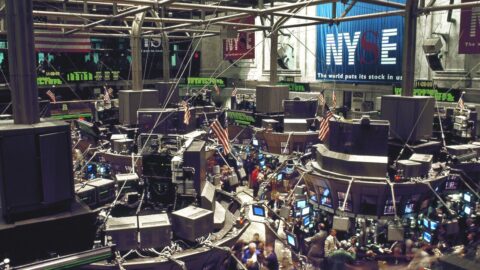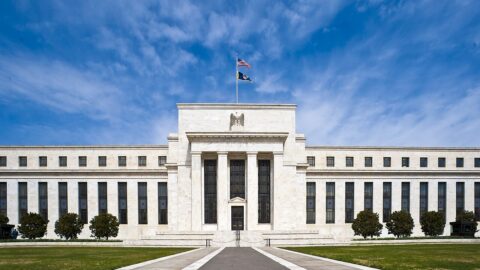
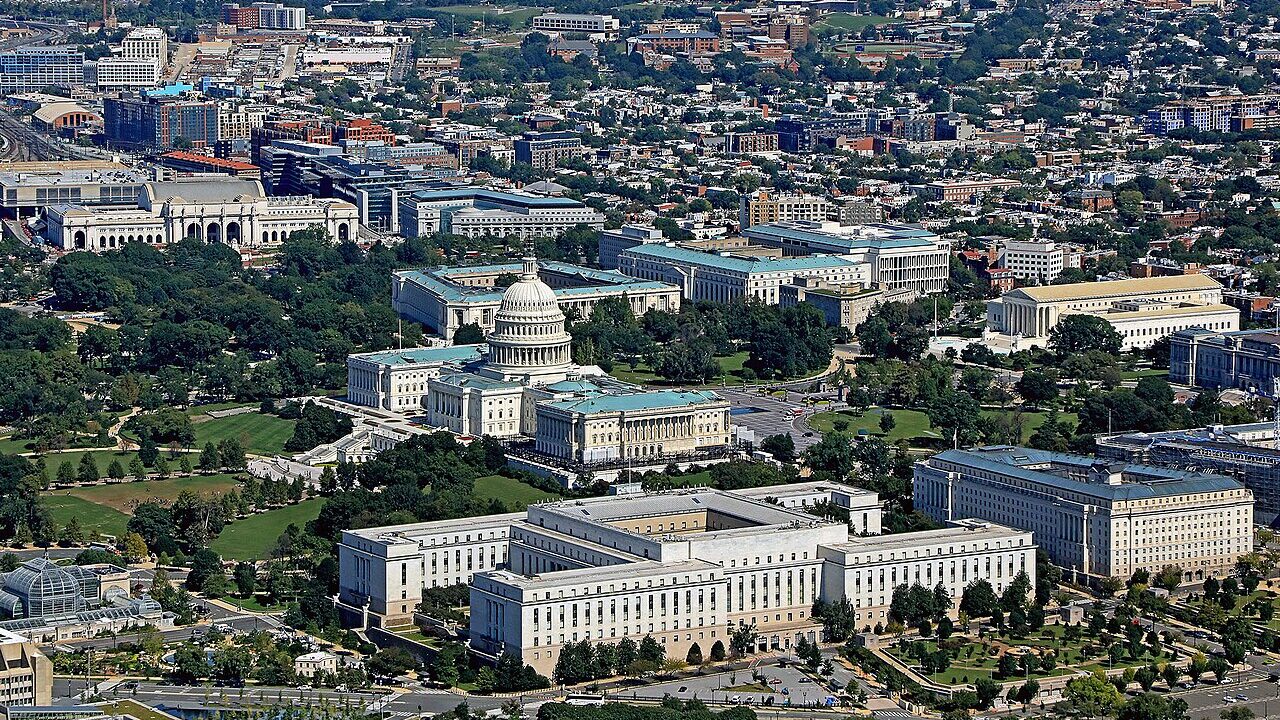
Treasury yields pulled back to eight week lows on Thursday as investors bet that a Democratic Congress will block big tax cuts and spending, and that a quieter Gulf will cool inflation. The yield on the benchmark 10 year Treasury note fell more than six basis points on Wednesday to about 4.88 percent, and slipped further on Thursday to around 4.85 percent, its lowest level since September 10. The two year yield eased to 4.58 percent from 4.61 percent, and the 30 year yield closed at 5.28 percent on Wednesday against 5.32 percent on Tuesday. Yields fall when prices rise, and prices rose because investors expect less government borrowing.
Why it matters
The logic is straightforward. A president who wants large tax cuts or new spending must now pass them through a Democratic Congress, and that Congress has signalled it will focus on affordability and accountability rather than on expanding the deficit. Less borrowing means less supply of Treasury bonds, which pushes prices up and yields down. An ICICI Bank report added a second reason: tighter scrutiny of data centre projects may slow AI capital expenditure and reduce borrowing by large technology companies, which would moderate economic growth and inflation pressures and potentially reduce the need for further interest rate increases by the Federal Reserve.
The oil price collapse reinforced the move. Brent crude fell nearly 9 percent on Wednesday to 94.62 dollars a barrel, its lowest close since August 31, as traders bet the midterm result would push Washington toward diplomacy with Iran. Cheaper oil means lower inflation, and lower inflation means less pressure on the Federal Reserve to raise rates in December, even though markets still price a strong chance of a rise. The bond market is therefore pricing two changes at once: less fiscal expansion and less energy inflation.
What happens next
The dollar joined the rally in bonds. The dollar index fell about 0.3 percent on Wednesday and further on Thursday, to its lowest level since September 30, as investors reassessed American growth and the path of rates. A weaker dollar and lower yields together describe a market that expects the American economy to cool gently rather than to overheat, and a Federal Reserve that will be guided by Friday jobs data and the next inflation reading rather than by political pressure.
What happens next depends on data, not on the election. Friday payrolls report will shape expectations for the December Federal Reserve meeting, and any statement from Washington on Iran could move oil and yields in either direction. The bond rally is a bet that divided government means discipline. It is a reasonable bet, but it is still a bet, and the next two data releases will test it.