
Cooking Thanksgiving dinner for 10 people will cost American families about 58 dollars and 63 cents this year, according to the American Farm Bureau Federation, a rise of about 6 percent from 2025 and the first increase in the annual survey since the record high of 2022.
The survey, now in its 41st year, puts the classic holiday meal at 5 dollars and 86 cents per person. That is still 5 dollars and 42 cents, or 8.5 percent, below the record of 64 dollars and 5 cents set in 2022, but it ends three years of falling prices and will be felt in kitchens across the country. A separate Wells Fargo analysis put the cost at 78 dollars and 93 cents, down 0.4 percent, a reminder that different baskets give different answers.
Turkey drives the increase
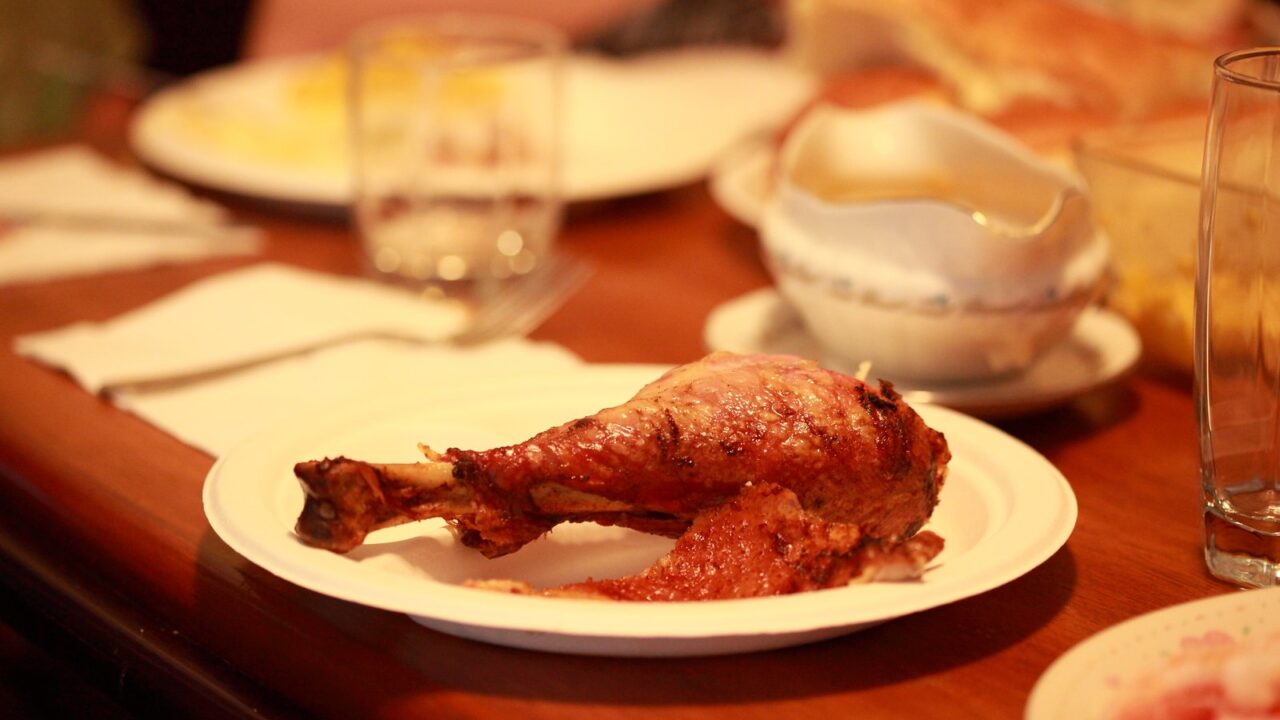
Turkey, the centrepiece of most Thanksgiving tables, recorded the biggest jump of any item in the basket. A 16 pound frozen bird now averages 23 dollars and 68 cents, or 1 dollar and 48 cents a pound, up 10 percent from last year. According to reports, higher production costs and the effects of bird flu on turkey flocks pushed prices up, though farmers were prepared to meet demand. Turkey alone accounts for about 40 percent of the cost of the meal.
Other staples rose too. A 12 ounce bag of cranberries costs 2 dollars and 48 cents, nearly 9 percent more than a year ago, while a gallon of whole milk averages 4 dollars and 5 cents, up 8.6 percent. Dinner rolls rose 7 percent to 3 dollars and 81 cents a dozen, and three pounds of sweet potatoes cost 4 dollars and 20 cents. Eight of the 12 items in the survey rose in price, and the Farm Bureau blamed the rising cost of moving food from farm to table.
Regional gaps and a different measure
Prices vary widely by region. The South offers the cheapest classic dinner at 54 dollars and 33 cents, while the Midwest averages 56 dollars and 89 cents and the Northeast is the most expensive at 61 dollars and 57 cents. Families who add a boneless ham, russet potatoes and frozen green beans will pay 81 dollars and 72 cents in total, an extra 23 dollars and 9 cents for the expanded menu.
The Farm Bureau survey has run since 1986 and uses volunteer shoppers who checked prices in person, on store apps and on websites during the first week of November in all 50 states and Puerto Rico. Full details of the survey show only a small share of each food dollar reaches farmers, with the rest going to transport, processing and retail costs. Trade policy also shapes grocery bills, after the United States and its allies vowed to tackle excess factory capacity and the United States and China agreed to trade 30 billion dollars in tariff cuts.